Powering the Future
from the Past
In 2009, our R&D team created the Windstrument Wind Turbine which was granted patents on July 4th, 2012. Grounded in natural memetic engineering designed to be seen and not heard, that heritage forms the foundation for our modern work as WIND KOG shifts focus entirely to our new kinetic wind turbine technology, driven by a solid commitment to produce the best wind turbines on planet Earth.
Core Innovations
Click any card below to pop open its high-resolution blueprints, technical specs, and photos directly in-page.
WindBrella Turbines
Ultralight, high-tech WindBrella rotors engineered with our patented Windstrument Conical Helicoid curves to initiate rotation under ultra-low velocities.
Kinetic Connections
Decoupling mechanical wind capture from the generator. KOG linkages transmit raw torque to ground-based vaults for direct kinetic storage, bypassing battery decay and thermal degradation.
Utility Platforms
Combining stacked Conical Helicoid columns with direct kinetic storage and on-demand electrical generation, eliminating expensive, short-lived chemical batteries.
STEM Education
Standardizing wind science. Hands-on student modules based on natural memetic fluid dynamics, gear induction, and decoupled kinetic transmission models.
Technical Specifications
Select a technology card above to review engineering specifications, parameters, and diagrams.
Designed to be Seen
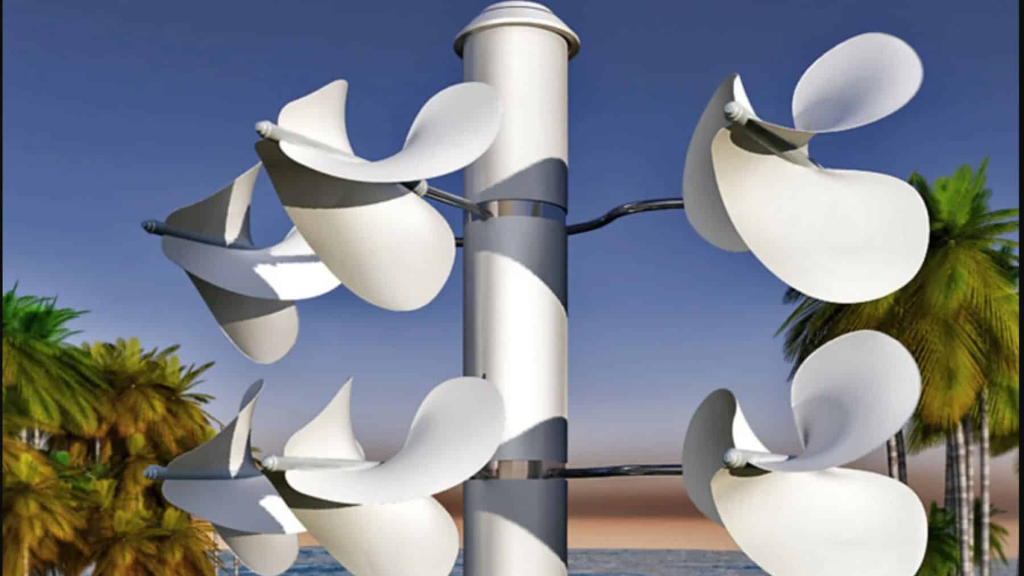
Grounded in natural memetic engineering, our Windstrument patented Conical Helicoid turbines combine fluid aerodynamics with organic, flower-like geometry to create a sustainable wind solution designed to coexist beautifully with human spaces.
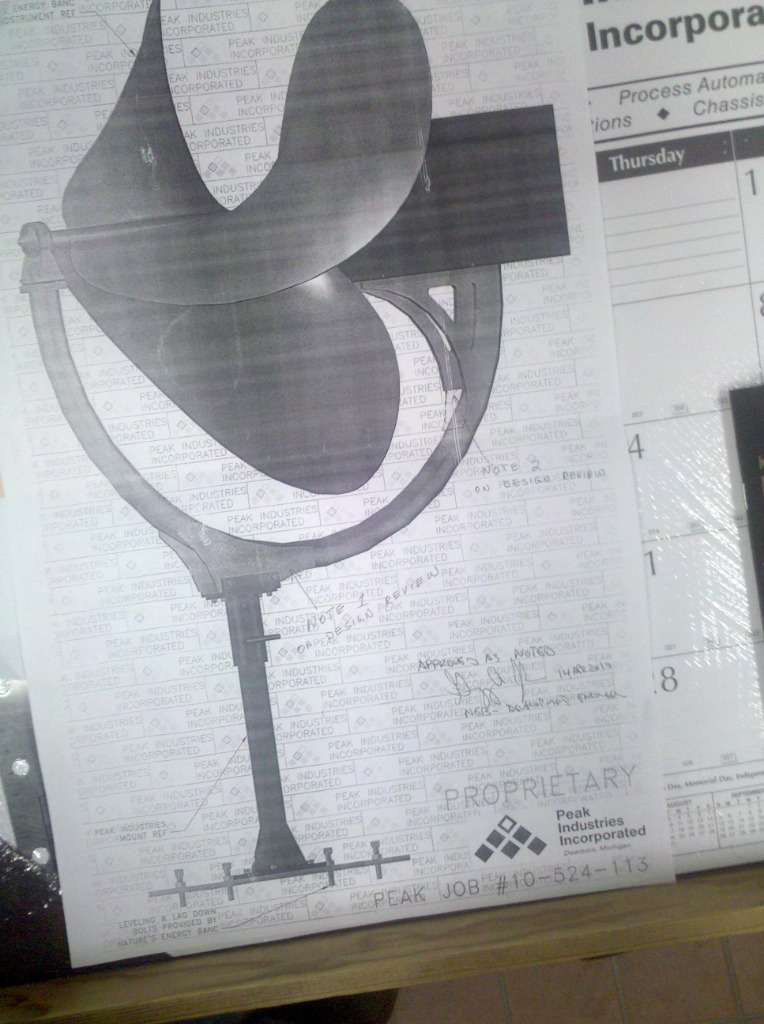
Original Blueprints
Proprietary 2010 engineering blueprints approved by Peak Industries.
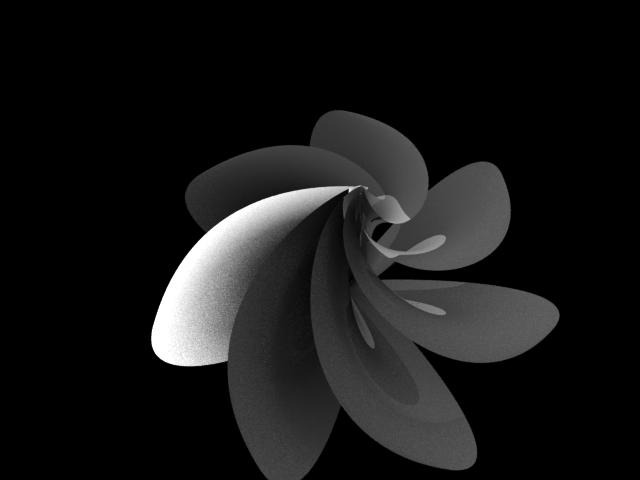
Conical Helicoid Geometry
Patented overlapping curves inspired by natural spiral shapes.
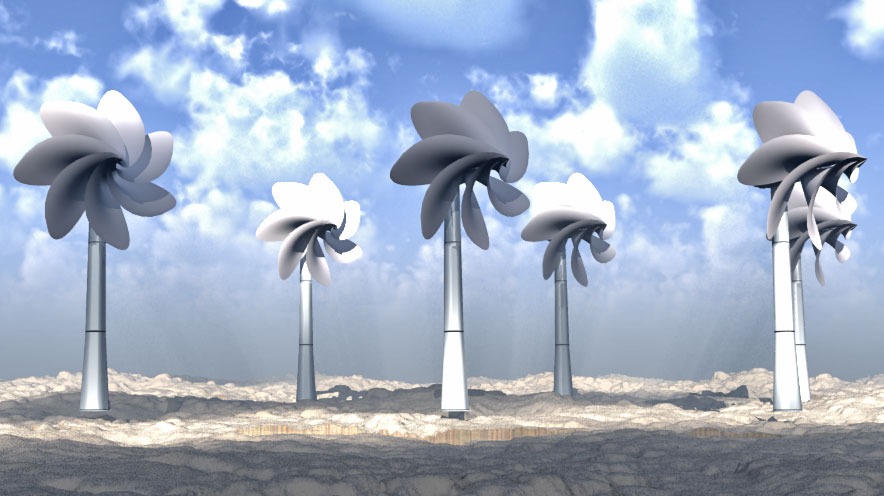
Field Landscape Render
Elegant orchid-like wind farm blending beautifully with the horizon.
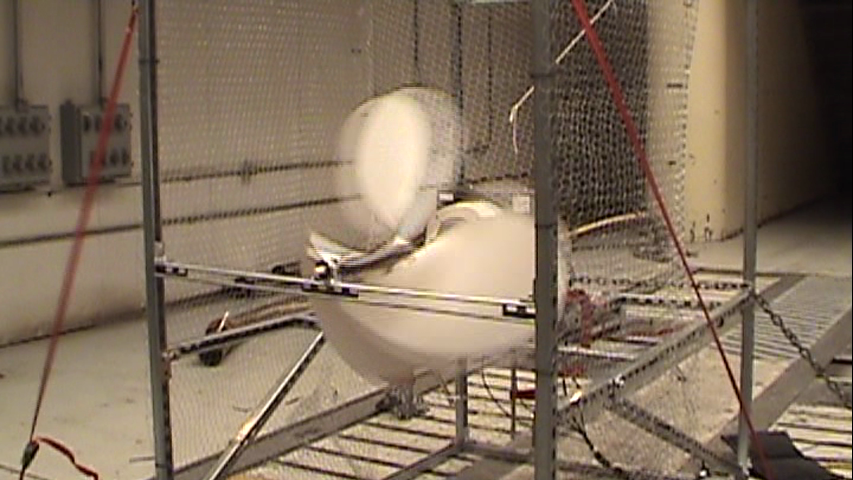
Physical Validation
Physical prototype spinning in high-stress wind tunnel testing.
Technical History
Over a decade of R&D—from early mathematical fluid models to full wind tunnel validation and our modern decoupled kinetic energy storage platforms.
2009: Genesis & Natural Memetic Engineering
The Windstrument project initiated in 2009 with mathematical modeling of natural spirals. Grounded in natural memetic engineering, we focused on reducing mechanical cogging torque and maximizing low-speed starting efficiency via patented Conical Helicoid geometries.
2010: Peak Industries Blueprinting & Lab Assembly
Partnered with Peak Industries to draft formal manufacturing drawings. We constructed the initial hardware prototypes and conducted precise laboratory dynamometer analysis to isolate electrical friction losses, successfully validating our direct kinetic connections approach.
2012: Wind Tunnel Validation
Conducted extensive aerodynamic tests inside the Ford Jacobsen wind tunnel, subjecting the Windstrument Conical Helicoid turbine columns to linear wind vectors scaling from 0 to 70 mph to establish peak mechanical load thresholds and drag curves.
Modern Era: Kinetic Storage & On-Demand Power

Our long-term R&D culminated in the modern WIND KOG system. By moving the generator from the masthead to a secure ground platform, we protect sensitive electronics from harsh environments. Storing wind energy kinetically rather than relying on chemical batteries avoids degradation, handles extreme temperature fluctuations without capacity loss, and provides near-infinite cycle life, delivering a highly durable and environmentally sustainable on-demand electricity platform.
STEM Classroom Kits
Bringing advanced fluid dynamics and weatherproof generation models into primary, secondary, and college labs.
KOG Micro-Generator Kit
A high-visibility, transparent educational turbine rig. Students wrap custom stators and coils, physically observing Faraday's law, magnetic induction, and gear conversions first-hand.
Digital Anemometer Build
Combine physics with code. Students assemble a rotational cup wind speed sensor, writing basic Arduino scripts to calculate linear velocities and display telemetry on a LCD screen.
Blade Pitch Testing Rig
An advanced aerodynamics lab tunnel. Students analyze variable pitch angles, surface area drags, and multi-petal lift properties to calculate coefficients of power and lift scaling.